
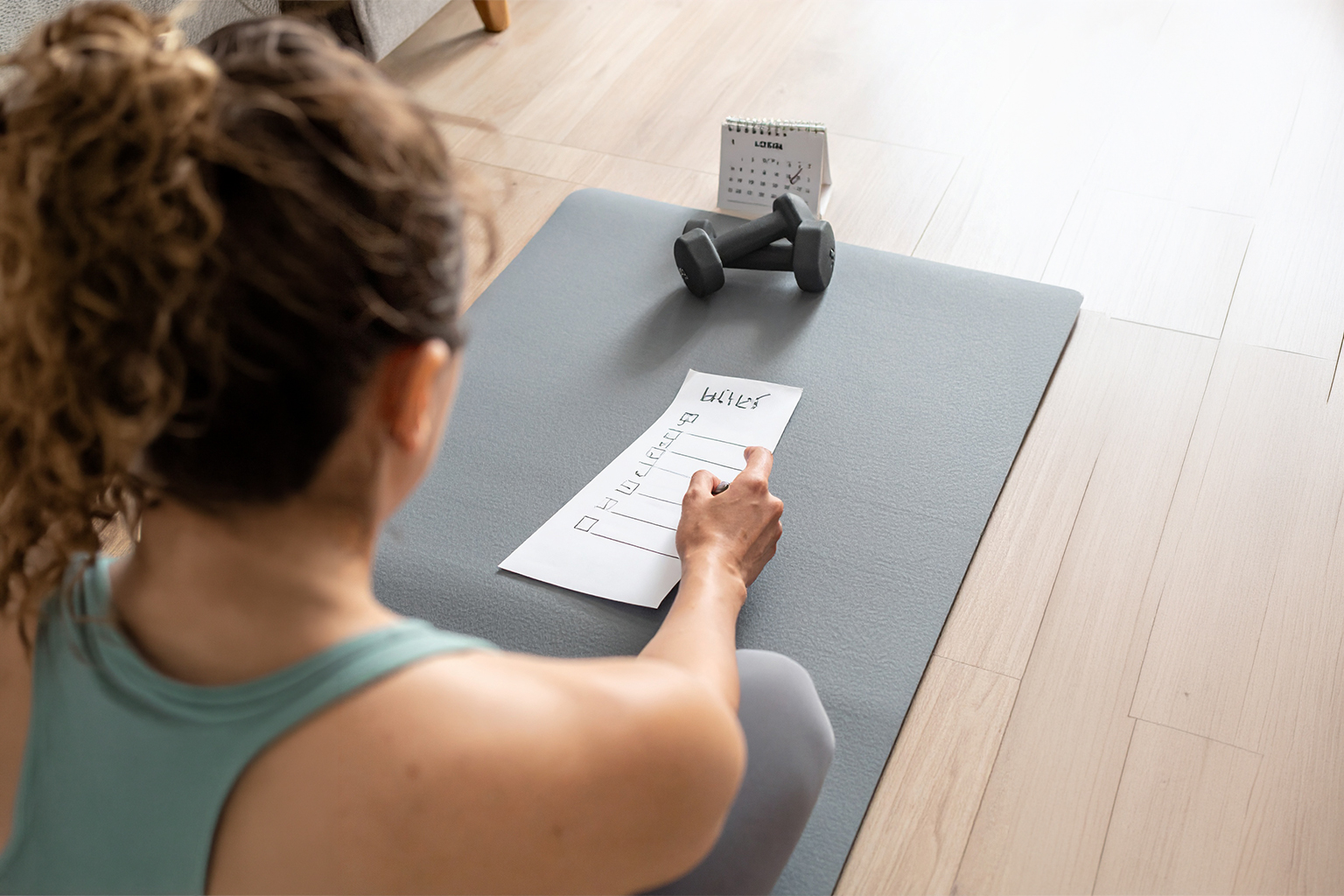
Building fitness into a busy life is less about dramatic commitments and more about designing habits that fit your real schedule. Small, intentional choices repeated reliably lead to measurable gains and greater resilience. This article outlines a practical approach to habit design that emphasizes flexibility, clarity, and gradual progression. It is aimed at professionals and everyday people who want steady results without constant overhaul.
These ideas focus on consistency over intensity and on systems rather than motivation. They aim to make movement predictable and nonnegotiable in a sustainable way.
Set Clear, Flexible Goals
Define what success looks like with both outcome and behavior goals. An outcome goal might be gaining strength or improving endurance, while a behavior goal is something you control, such as moving for 20 minutes five days a week. Make goals specific but adaptable so they survive travel, workload spikes, and family demands. Clear targets help prioritize when time is limited and reduce decision fatigue.
Review goals monthly and adjust them based on how your life is changing. Small recalibrations keep plans realistic and motivating.
Prioritize Short Daily Routines
Short, focused sessions are easier to maintain than long workouts that require perfect conditions. Aim for micro-sessions like a 10–20 minute strength circuit, mobility flow, or brisk walk that can be done at home or in the office. These sessions accumulate and provide a stable foundation of fitness without requiring large time blocks. Designing a few repeatable formats removes the need to plan every day.
Consistency compounds: a brief daily routine is more effective over months than sporadic long sessions. Keep presets ready so you can act quickly when time appears.
Track Progress with Simple Metrics
Choose one or two metrics that reflect your priorities, such as weekly training minutes, number of strength sets, or a simple performance marker like push-up count. Track them in a minimalist way—an app, a notebook, or a calendar checkmark—to maintain momentum and gather feedback. Data helps you identify when to increase load or when to scale back for recovery. Avoid overtracking, which can become another task to manage.
Use weekly reviews to celebrate small wins and to plan the coming week. This practice keeps your system forward-looking and adaptable.
Recovery, Habit Reinforcement, and Adjustment
Recovery is part of the habit system; schedule quality sleep, mobility work, and low-intensity movement to support consistency. Build cues and rewards around your routines, such as a specific time of day or a short enjoyable ritual after a session, to reinforce behavior. When setbacks occur, apply the two-for-one rule: for every missed session, plan an achievable make-up activity to restore routine. Treat adaptation as normal and reduce guilt to maintain long-term adherence.
Small adjustments maintain progress without derailing consistency. Focus on what you can control and refine systems over time.
Conclusion
Design fitness habits that are specific, flexible, and repeatable to make progress sustainable. Emphasize short daily routines, simple tracking, and planned recovery to reinforce consistency. Over months, these small systems create meaningful, lasting fitness improvements.

