
Cooking at home can save money and improve well-being when approached with a clear routine.
Small changes in planning, equipment, and technique reduce wasted time and make meals more enjoyable.
This article outlines practical steps to streamline meal prep, cooking, and cleanup without sacrificing flavor.
These ideas suit busy schedules and cooks of varying skill levels.
Planning and Prep
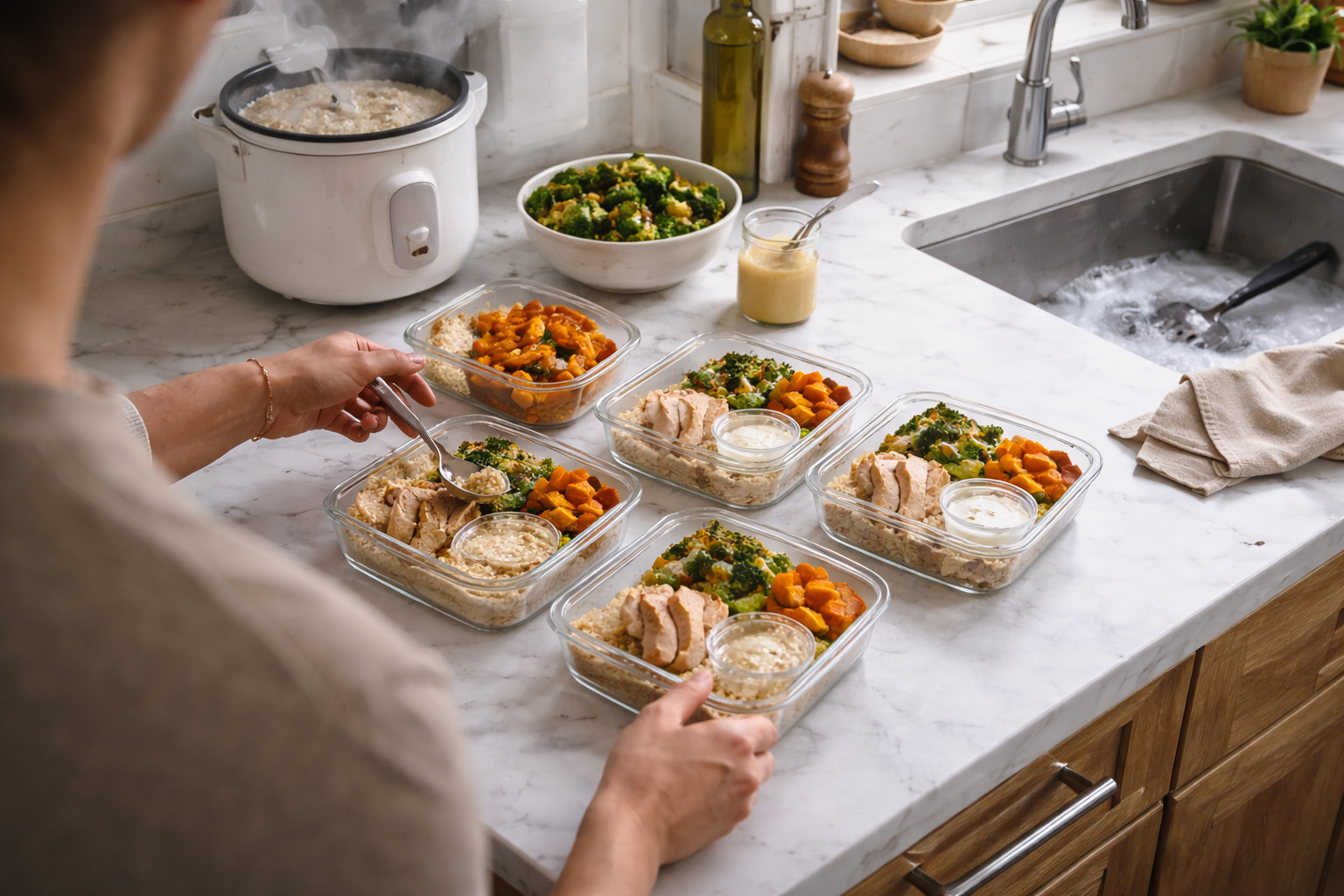
Begin with a weekly plan that balances variety and simplicity to reduce decision fatigue. Choose two or three protein options and rotate vegetables and grains through the week. Batch-cook staples like grains, roasted vegetables, and sauces to speed evening assembly. Inventory your pantry before shopping to avoid unnecessary purchases. Keep a few versatile sauces on hand to elevate simple ingredients.
- Pick 3 proteins, 3 veggies, 2 grains
- Prep staples on a single day
- Keep a running grocery list
Simple planning saves trips to the store and keeps meals consistent. Over time, a small set of go-to recipes will emerge.
Smart Cooking Techniques
Use techniques that maximize flavor and minimize hands-on time, such as searing, braising, and roasting. Multi-task by using the oven while prepping a salad or starting grains on the stove. Use one-pot or sheet-pan recipes to reduce both cooking time and cleanup. Small seasoning adjustments at the end can transform a routine dish. Taste and adjust seasoning during cooking to avoid bland results.
Learning a handful of reliable techniques boosts confidence and quality. Practice turns these methods into habits that make weeknight cooking easier.
Kitchen Tools That Help
Prioritize durable, versatile tools that speed prep and cook evenly. A sharp knife and stable board cut prep time significantly. Consider small appliances like a rice cooker or instant pot to automate tasks. Measuring spoons, a sturdy peeler, and a silicone spatula are small tools that pay dividends.
Investing in a few quality pieces pays off through frequent use. Match tools to the recipes you enjoy most. Start small and build your collection as your cooking style develops.
Managing Time and Cleanup
Create a cooking flow: wash and chop first, then cook, then plate, and finally clean as you go. Use timers and the oven to free up attention for other tasks. Contain mess by lining pans and keeping a sink of hot soapy water for quick rinses. Efficient cleanup makes cooking feel less like a chore. When possible, involve family members in simple tasks to cut prep time and spread learning.
Clean as you go to avoid a daunting pile of dishes at the end. A tidy kitchen encourages more frequent home cooking.
Conclusion
Establishing a simple routine transforms cooking from stressful to manageable.
Focus on planning, efficient techniques, and a few good tools to save time.
Small consistent changes produce better meals and more enjoyable cooking.

