
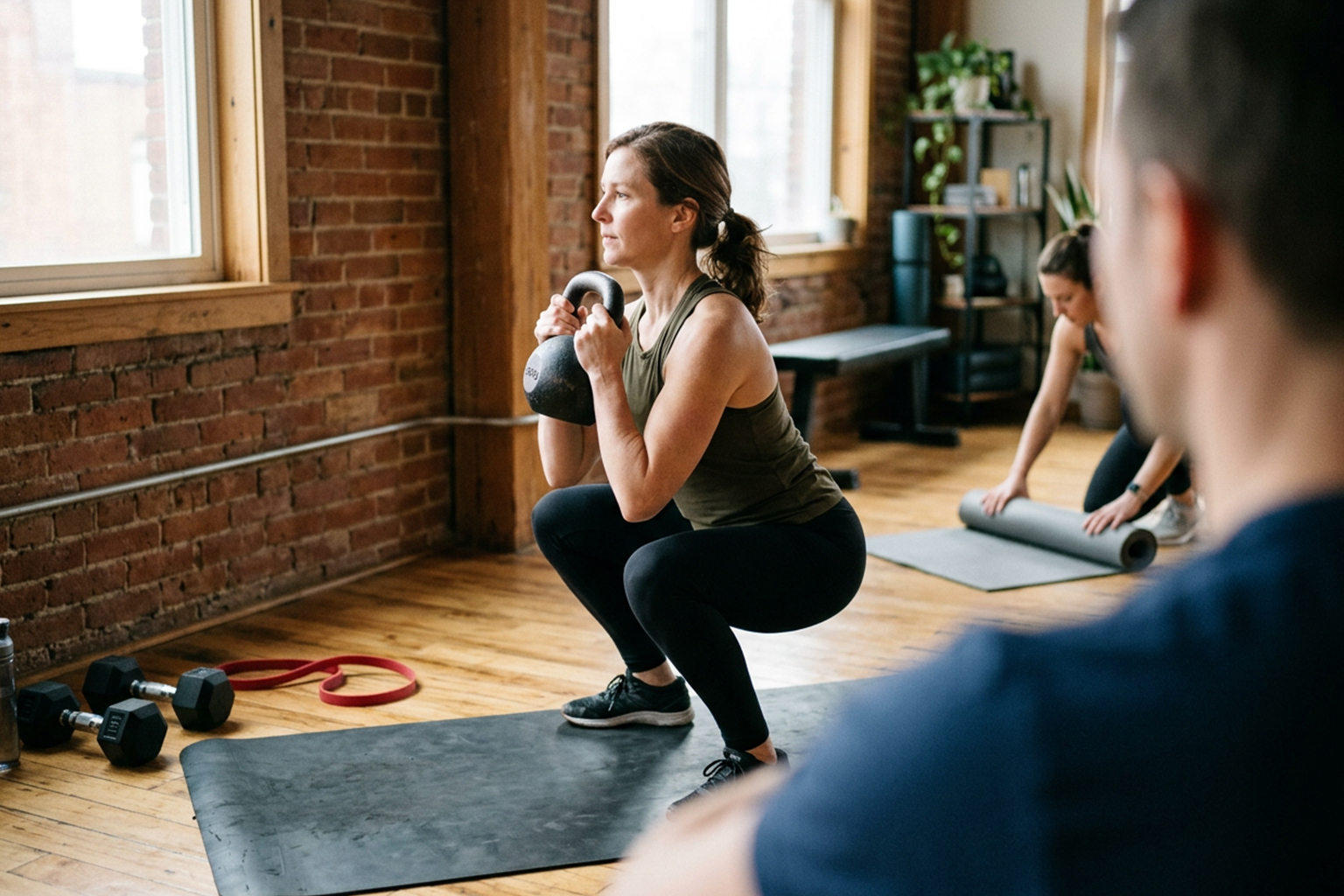
Short, focused workouts make it easier to move consistently across varied days.
They prioritize functional strength, mobility, and recovery without demanding long gym sessions.
With a simple plan you can cover balance, strength, and joint health in minutes.
This article outlines a practical weekly approach and examples you can adapt immediately.
Why brief functional sessions work
Brief sessions reduce psychological friction and fit into fragmented schedules more easily than long workouts. They encourage habit formation by making the effort predictable and repeatable, which supports long-term adherence. When exercises focus on compound movement patterns—hinge, squat, push, pull, carry—they translate directly to daily tasks. A consistent short routine also lowers injury risk by blending strength with mobility and recovery elements.
Keep intensity manageable and prioritize quality over volume. This approach sustains progress while minimizing burnout.
Design a simple weekly template
Start by assigning movement goals to each day: strength, mobility, conditioning, and active recovery. Balance high-effort days with lighter mobility or restorative sessions so the overall workload stays sustainable. Use a three-day strength focus with two shorter mobility or conditioning sessions mixed in through the week. Allow one full rest day or a gentle restorative activity to support recovery and consistency.
Choose exercises that scale by time or reps so they remain doable on busy days. Adapt the template rather than abandoning it when energy or time fluctuate.
Three compact session examples
Here are concise session blueprints that require 10–20 minutes, minimal equipment, and clear progress markers. Each targets functional patterns and can be scaled by reps, sets, tempo, or load depending on ability. These examples emphasize movement quality, breathing, and a short mobility finish to reduce stiffness. Use them as plug-and-play options that rotate through your week based on energy.
- Strength (15 minutes): Warm-up 3 min, 3 rounds of 8–12 goblet squats, 6–8 rows, 6–8 single-arm presses.
- Mobility + Core (10 minutes): 5 min dynamic mobility flow, 2 sets of 30s side planks, 10 dead bugs per side.
- Conditioning (12 minutes): EMOM or interval set of kettlebell swings, push-ups, and walking lunges for power and work capacity.
Rotate these sessions to cover all functional needs without lengthy commitments. Adjust load and rest so each session feels challenging but sustainable.
Staying consistent and progressing
Track small metrics like number of sessions completed, reps per exercise, or perceived exertion to monitor progress. Progress by adding an extra rep, reducing rest, increasing time under tension, or modestly increasing load every week or two. Regularly revisit mobility priorities and swap movements that cause discomfort for pain-free alternatives. Consistency beats intensity; regular short efforts compound into meaningful functional gains over months.
Celebrate small wins and schedule sessions as fixed appointments to protect them. Flexibility in timing keeps the system resilient to life and travel.
Conclusion
Short, deliberate daily sessions create a sustainable foundation for functional fitness.
They require modest time but deliver useful strength, mobility, and durability.
Start small, track progress, and adjust the plan to fit your life.

