
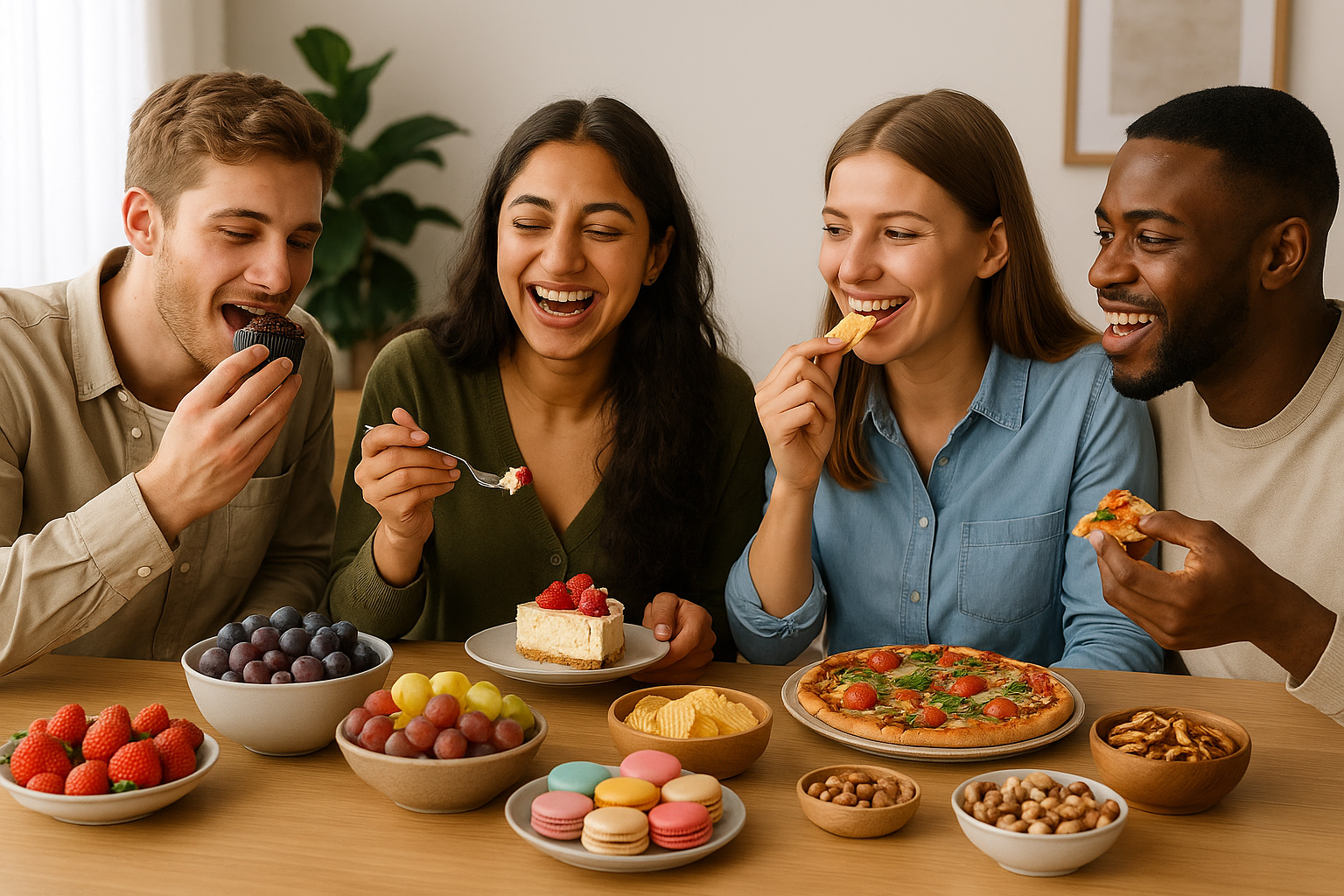
Ever wonder why you reach for chocolate when stressed or crave something salty during long work hours? Food cravings aren’t random, they’re deeply rooted in psychology, biology, and emotion. Our taste preferences are influenced by memories, moods, and even marketing. Understanding the psychology of taste reveals how our brain and body work together to drive what, when, and why we eat the way we do.
How the Brain Shapes Our Taste Preferences
Taste begins long before food reaches the tongue—it starts in the brain. The limbic system, responsible for emotion and memory, connects eating with pleasure and comfort. When we eat something delicious, dopamine—a “feel-good” neurotransmitter—is released, reinforcing the desire to experience that taste again. This reward loop explains why comfort foods like pizza or ice cream are so irresistible; they’re tied to emotional satisfaction as much as to flavor.
The Role of Emotion and Stress in Craving
Our cravings often mirror our emotional state. During stress, the body produces cortisol, a hormone that increases appetite for high-fat or sugary foods as a coping mechanism. Similarly, boredom or sadness can trigger the urge to snack—not out of hunger, but to self-soothe. Recognizing these emotional triggers helps us make mindful food choices instead of giving in to impulsive eating.
Cultural and Childhood Influences on Taste
Taste isn’t just personal, it’s cultural. The foods we grow up with form our flavor identity. A person raised on spicy cuisine might crave heat, while another may find comfort in mild, creamy dishes. Early exposure to diverse tastes also broadens our palate and reduces food aversions. Culture, family traditions, and even media shape our expectations of what “good food” should taste like.
Marketing and the Science of Craving
Food companies understand the psychology of taste better than anyone. Through clever packaging, color cues, and sensory branding, they manipulate cravings. For example, bright reds and yellows are used to stimulate appetite, while ads often pair food with happiness and social connection. The result? We often crave the idea of pleasure as much as the food itself.
Conclusion
Our cravings are more than biological, emotional, cultural, and psychological. By understanding the forces behind them, we gain control over our food choices. When we eat mindfully, we can savor flavor without letting it rule our habits—turning taste from a trigger into a tool for well-being.

