
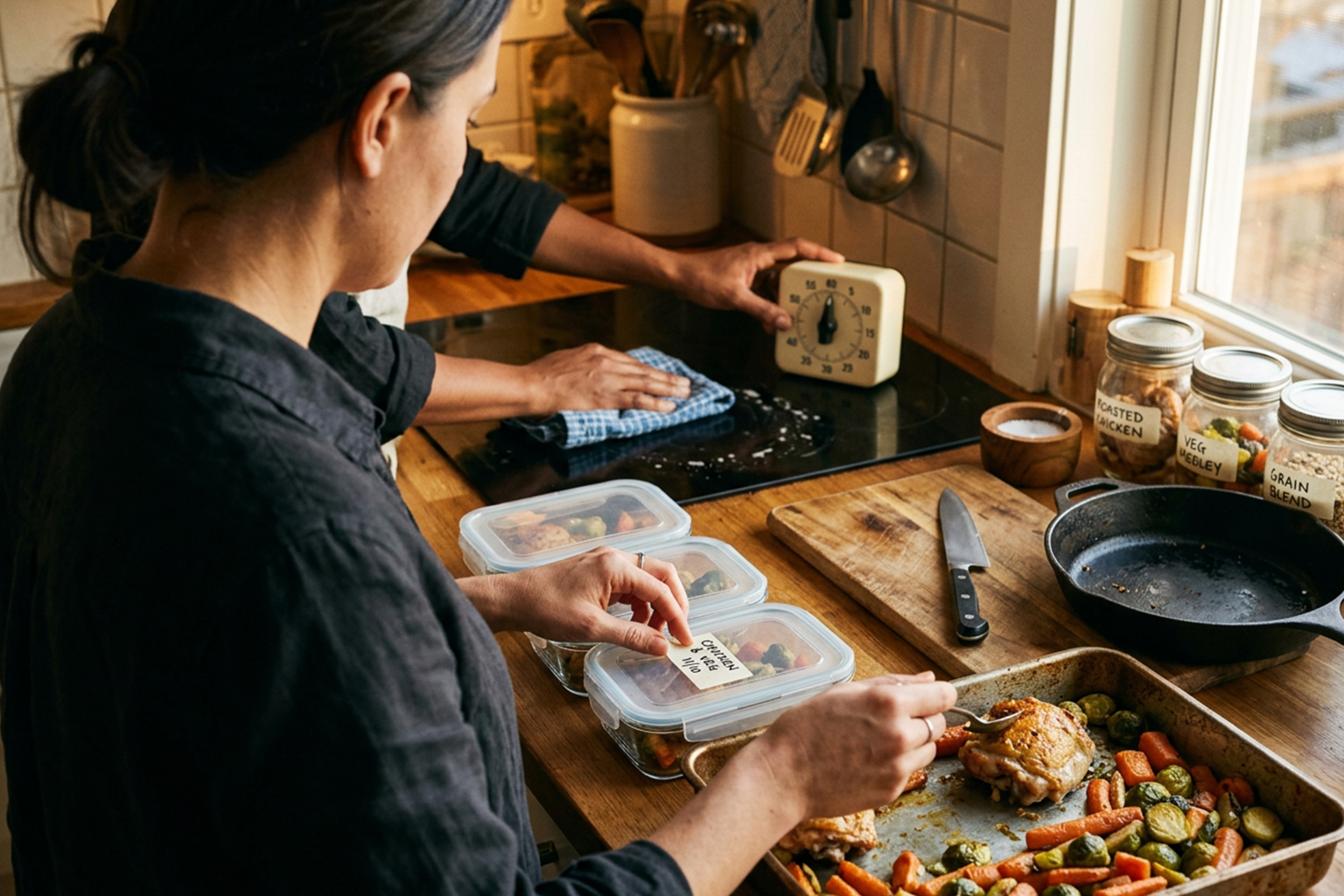
Small, repeatable actions in the kitchen shape how meals come together more than any single recipe. When you establish simple rituals—like an evening ingredient check or a brief morning prep block—you reduce decision fatigue and create steadier results. These habits don’t require extra time; they make the time you already spend more productive and more enjoyable. Over weeks they compound, improving flavor consistency, minimizing waste, and helping you respond to busy evenings with calm. This article outlines approachable rituals you can adopt and adapt.
Micro-Prep That Pays Off
Spend ten to fifteen minutes in the evening doing a focused ingredient check and light prep. Wash and trim produce, portion proteins into meal-sized amounts, and label any leftovers or components you plan to reuse. This small investment shortens cooking nights and reduces the chance of missing ingredients at the last minute. Over time you learn which items benefit most from micro-prep and adjust your list. Labeling saves time and helps with meal tracking during the week.
Start with one or two tasks and build from there. Micro-prep becomes a natural part of dinner rhythm without feeling like extra work. Micro-prep can be scaled to match how busy your week is.
Templates and Flavor Building Blocks
Create a handful of meal templates—combinations of protein, grain, vegetable, and sauce—that you can rotate. Within each template identify a few go-to seasonings and a simple technique (roast, sauté, braise) so flavor decisions are reduced. Templates also make shopping easier and help you spot opportunities to reuse components across meals. This keeps menus varied without constant new planning. Start with two templates and expand as your confidence grows.
Mix and match templates to keep things interesting. Gradually refine seasoning profiles so your meals become recognizably consistent. Occasionally swap in a new sauce to keep flavors fresh.
Timing, Tools, and Clean-as-You-Go
A predictable sequence of steps lets you multitask confidently: start with the longest-cooking element, prep while things roast or simmer, and finish with quick-cooking components. Keep a few reliable tools in reach—a sharp knife, a heavy pan, and measuring spoons—to remove friction from routine tasks. Practice cleaning as you go; a tidy workspace reduces stress and makes last-minute plating smoother. Use simple timers and checkpoints to avoid overcooking and maintain texture.
Small timing habits turn chaotic dinner prep into a calm, logical process. The right tools and cleanup rhythm make them sustainable. Consistency grows when you repeat the same rhythms over several weeks.
Conclusion
Consistent meal quality emerges from tiny, repeatable choices rather than occasional heroic cooking sessions. Adopt one ritual at a time, observe the payoff, and iterate until it fits your life. The result is better meals, less waste, and a calmer kitchen.
